

An Executive Architect (sometimes referred to as a Delivery Architect) is the architect responsible for developing a project beyond concept and planning, and guiding it through the technical, regulatory and construction stages.
The role is typically appointed where:
In these situations, the Executive Architect focuses on turning approved designs into robust, coordinated and buildable information, while ensuring compliance with statutory requirements and supporting delivery on site.
Executive Architects may be involved from an early stage, working alongside a concept architect or interior designer, or they may be appointed after planning permission has already been secured.
Where projects are taken on post-planning, the first task is often to assess whether the consented scheme is genuinely ready to progress to construction. This typically involves reviewing the approved design against:
It is common for this process to identify gaps or conflicts that need to be resolved before a project can move confidently on site. In some cases, this leads to targeted amendments to the planning approval, whether to address technical constraints, improve viability, respond to regulatory requirements, or reflect changes in delivery strategy.
Executive Architects are therefore frequently involved in:
This early technical scrutiny helps reduce risk, avoid delay and prevent costly redesign during construction.
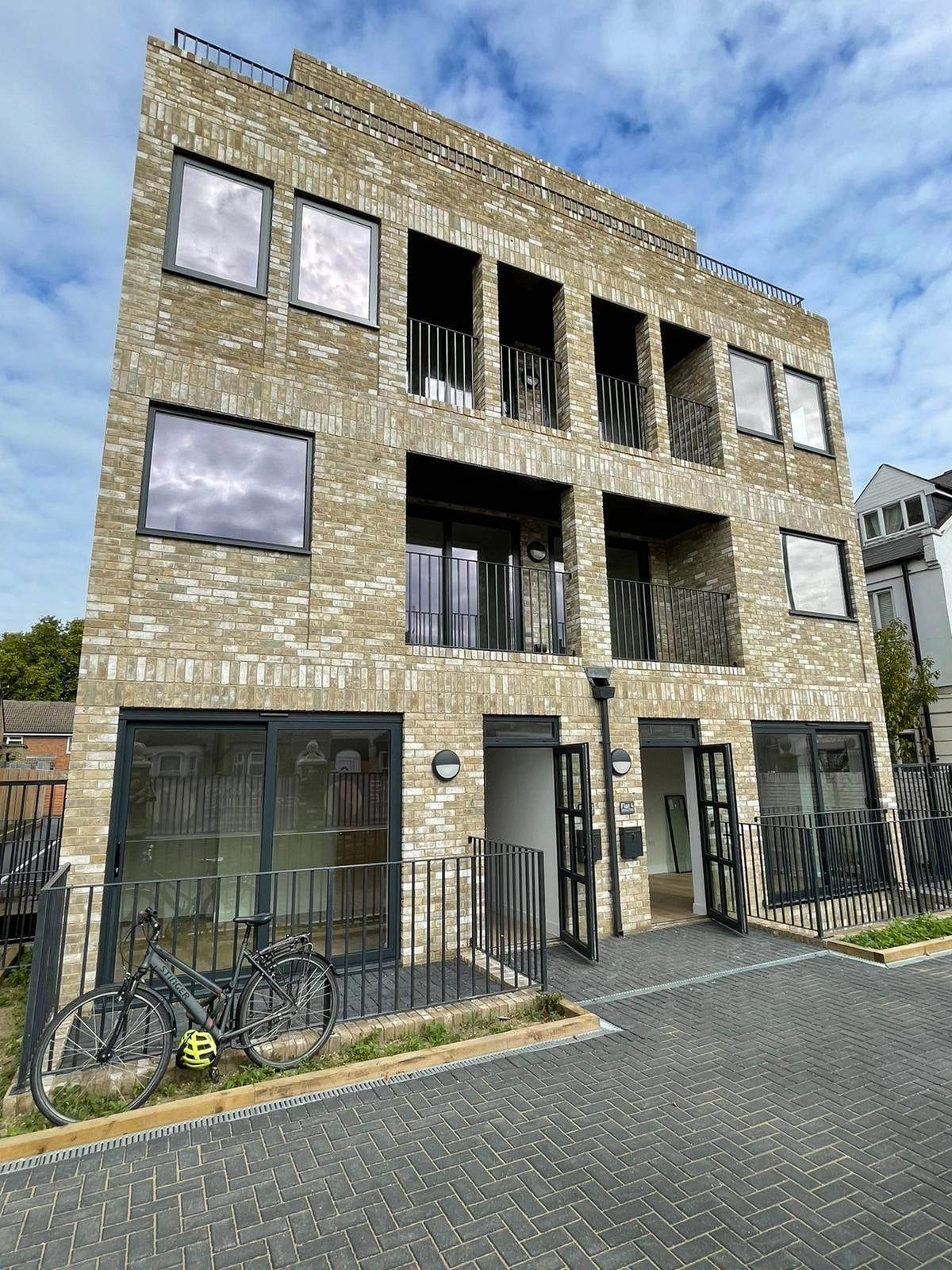
155 Chingford Road is a residential development in Walthamstow , consisting of 9 residential units.
BB Partnership were the architects for the Stage 4 design and the discharge of the planning conditions. The site had a number of constraints including acoustic and contaminated land issues which had to be overcome during the detailed design and construction process. The development was awarded the Secure by Design Silver Awards for the residential units.

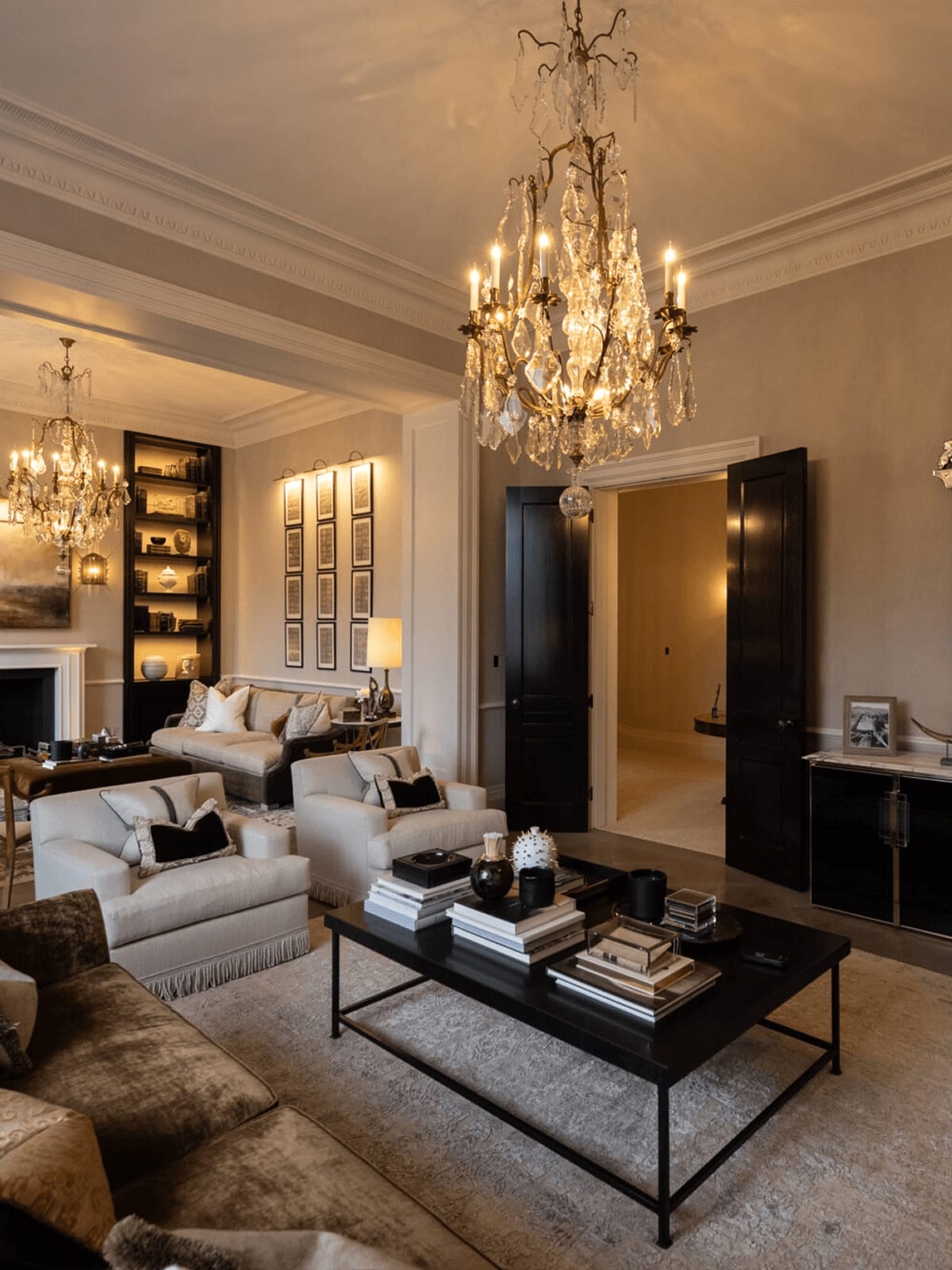
BB Partnership worked alongside Gallagher London, and Interior Designer Turner Pocock, on a Private Apartment in Kensington, London.
The project involved the creation of a substantial lateral flat at first floor level in Albert Court, a Grade II listed mansion block looking west over the steps of the Albert Hall. The apartment includes three bedrooms, all with en-suite bathrooms and including a master bedroom with a dressing room as well.
Executive Architect appointments commonly arise where:
In these circumstances, the focus shifts from concept and narrative to technical resolution, coordination and delivery.
The Executive Architect’s role is to translate the approved design into clear, buildable and fully coordinated information, while protecting the original design intent. This often includes managing design changes arising from cost, programme or buildability, coordinating value engineering where required, and advising clients on the technical implications of proposed changes.
In this way, the Executive Architect frequently acts as a client-side technical advisor, helping to balance design quality, compliance and delivery realities while maintaining momentum on site.
A core responsibility of the Executive Architect is managing the most technically demanding stages of a project, including:
On many projects, the Executive Architect also undertakes the role of Building Regulations Principal Designer, ensuring that compliance is considered from the outset and actively managed through the design and construction process.
This role involves identifying and managing regulatory and design risk, coordinating compliance across disciplines, and providing clear technical accountability.
Depending on procurement route, the Executive Architect may support:
During construction, the role typically includes reviewing contractor proposals and substitutions, managing design changes arising from site conditions, and providing technical oversight to protect quality and compliance.
The role usually continues through completion, supporting inspections, snagging, handover and the defects period.
The Executive Architect plays a critical role in bridging the gap between planning approval and successful completion.
By combining technical expertise, regulatory knowledge and delivery experience, the role helps ensure that projects are:
Residential Conversion, Cornwall Terrace, Regent’s Park NW1 was a complete refurbishment to reinstate the building as a high-end single-family dwelling, from office use.
Working alongside a Developer, the works included the introduction of a lift, a new roof terrace overlooking the park and the partial excavation of the lower ground/basement, as well as the reconstruction of the roof and the restoration of the original stone staircase and façade of the building.

At BB Partnership, we do not separate our team into “concept” and “delivery-only” architects. Instead, we have an experienced architectural team that regularly undertakes both traditional full-service appointments and the Executive Architect role.
This breadth of experience creates a strong feedback loop: lessons learned during construction inform our approach to planning and concept design, while a deep understanding of design intent strengthens our ability to deliver projects accurately and efficiently.
Whether joining a project post-planning, working alongside concept architects and interior designers, or supporting delivery under a design and build contract, our focus is the same ensuring that approved designs are translated into well-built, compliant and high-quality buildings that fulfil our clients’ aspirations.
This includes extensive experience delivering heritage and listed building projects, as well as the careful integration of retrofit and fabric-first improvements to enhance energy performance, internal comfort and long-term building performance, while respecting the character and constraints of existing buildings.
Whether supporting a project at an early stage, including interior-designer-led schemes and planning submissions, or joining a project following planning consent to guide it through Building Regulations, the Principal Designer role and construction, BB Partnership would be pleased to discuss how we can help.

BA (Hons), Dip Arch, RIBA
Director

BA (Hons), Dip Arch, RIBA
Director

BA (Hons), Dip Arch, RIBA
Director