

The Crown Estate’s holdings around Regent’s Park form one of London’s most important historic residential estates, developed in the early 19th century as part of a carefully planned urban composition. The area includes a number of highly significant terraces and villas, many of which are Grade I listed, reflecting their exceptional architectural and historic importance.
While John Nash played a key role in shaping Regent’s Park and several of its principal terraces, the Estate encompasses a broader range of buildings developed over time, all of which contribute to the character and significance of the wider setting.
This long-term stewardship underpins the Crown Estate’s approach today, with a strong emphasis on architectural integrity, consistency and the careful management of change.
The Crown Estate retains a direct and active role in approving works to its properties. Estate consent is typically required for a wide range of proposals, including:
Crown Estate approval is separate from statutory consents and must be obtained alongside them. Proposals are assessed not only in isolation, but also in terms of their impact on the wider estate and its long-term character.
Properties within the Crown Estate around Regent’s Park are Grade I listed and fall within either the London Borough of Camden or Westminster, depending on location.
Most projects therefore require:
Listed Building Consent applies to internal as well as external works, including changes to layouts, staircases, joinery, plasterwork and historic finishes. Proposals must demonstrate a clear understanding of the building’s significance and how that significance is being conserved.
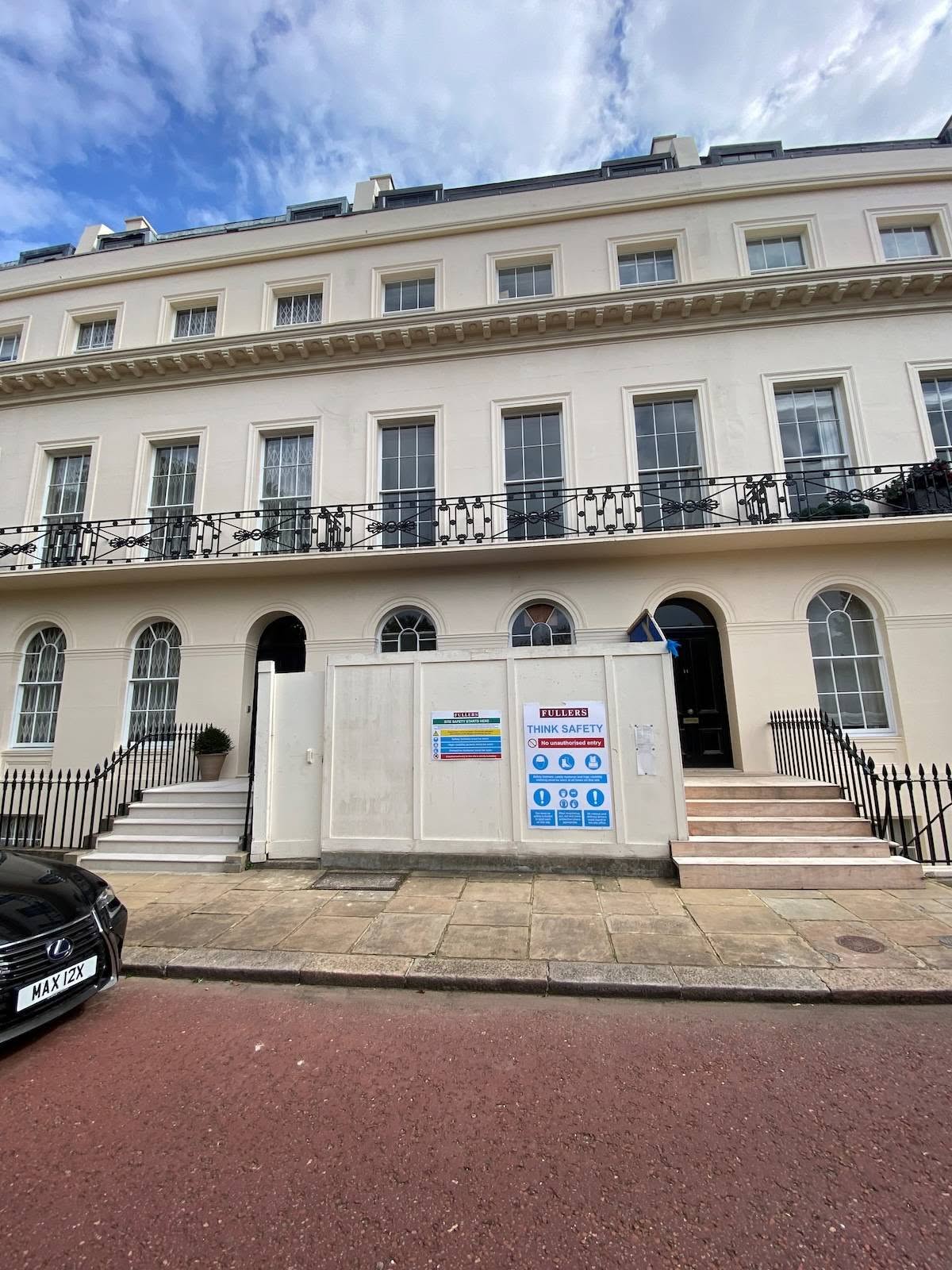
Despite the level of control, it is often possible to increase usable floor area where proposals are carefully designed and robustly justified.
We have successfully delivered schemes involving:
Where works result in an increase to the floor area or value of the property, the Crown Estate will typically require payment of a premium to reflect the uplift in value. This should be factored into feasibility and viability from an early stage.
Such proposals are assessed in detail by both the Crown Estate and the relevant local authority and require a strong heritage case, careful detailing and a clear explanation of impact.
On Crown Estate projects, early alignment between:
Designs that may be acceptable elsewhere can be problematic here due to the Grade I status and the collective importance of the estate. Early engagement helps test principles, identify non-negotiable constraints and reduce the risk of redesign later.
Works are typically assessed in exceptional detail, with particular sensitivity required in relation to:
Modern interventions must be discreet, technically robust and clearly justified in heritage terms.
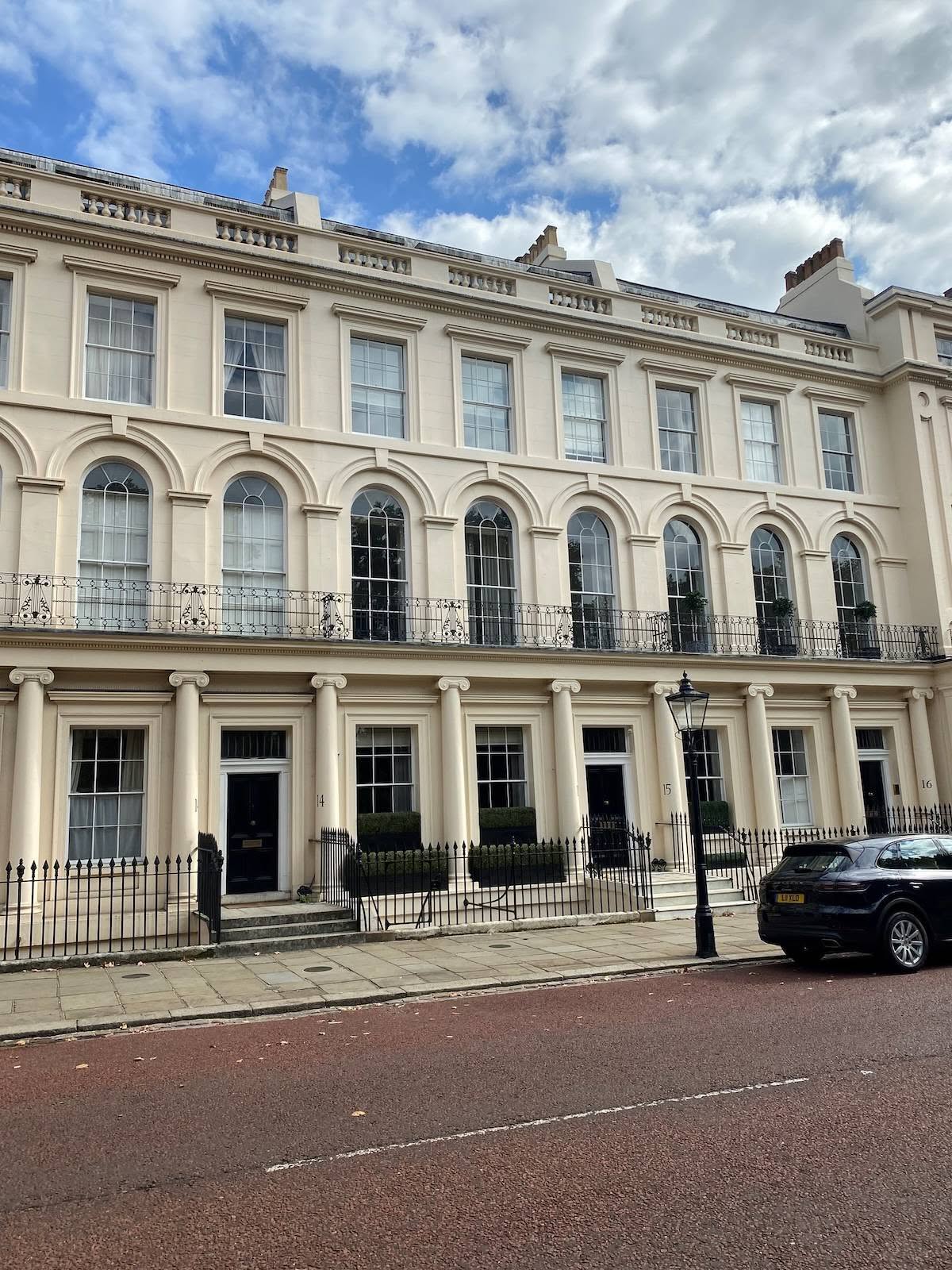
While Crown Estate projects are demanding, well-considered proposals can succeed.
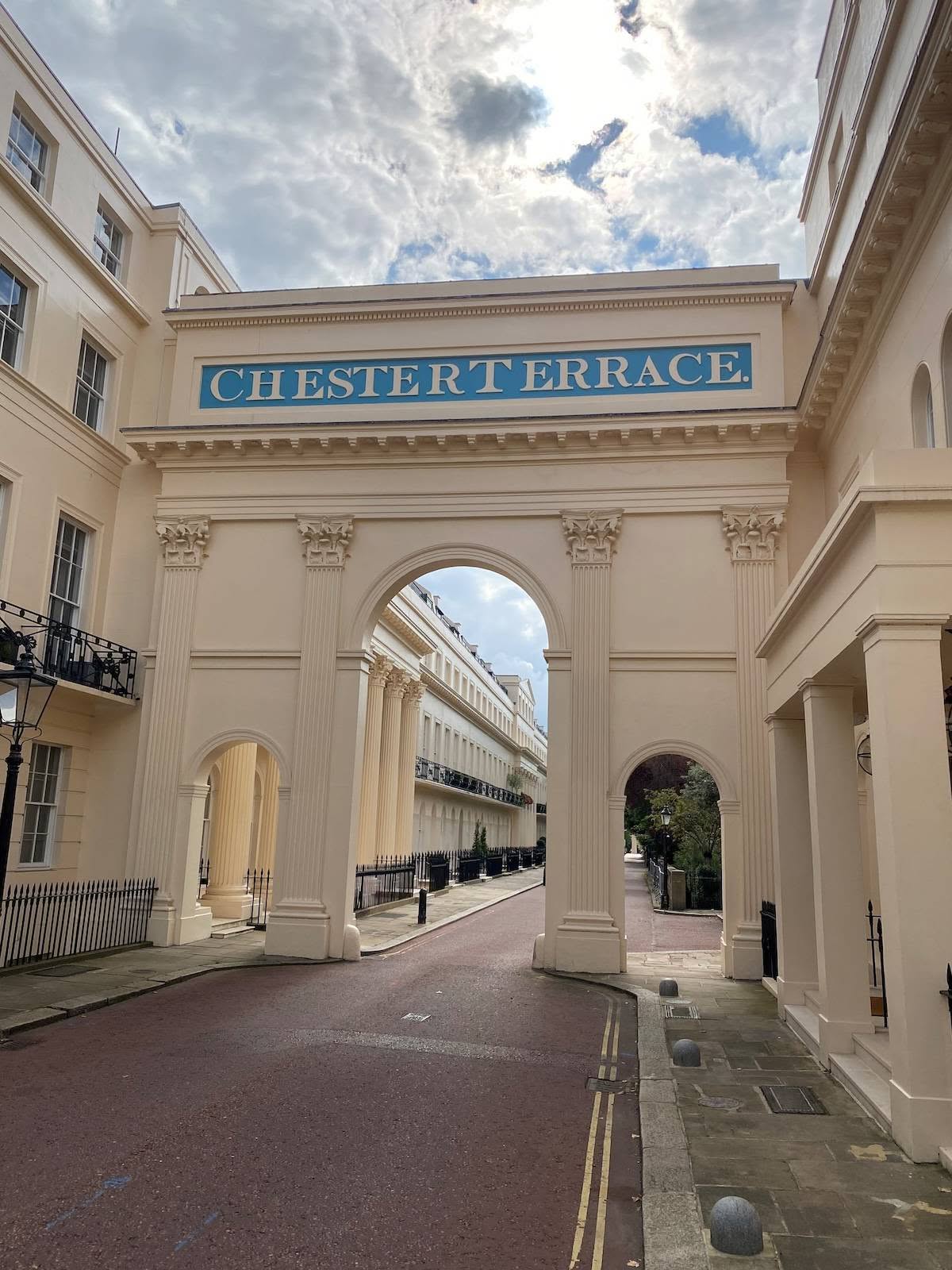
For example, we have recently obtained consent at Chester Terrace for replacement windows incorporating:
Other consents we have secured include:
Taken together, these examples demonstrate that a fabric-first approach, supported by clear technical evidence, can deliver meaningful improvements to comfort, energy efficiency and usability — even within a Grade I listed context, where proposals are carefully developed, justified and presented.

BB Partnership has extensive experience working on Grade I listed Crown Estate properties, including projects at Park Square East and West along with Chester and Cornwall Terraces
We regularly coordinate Crown Estate approvals alongside planning and Listed Building Consent, managing the interface between estate control, statutory regulation and heritage best practice.
As well as providing full architectural services, BB Partnership regularly supports interior-designer-led schemes as Executive Architect and Principal Designer, helping to take projects through consent, technical design and construction.
Whether you are:
If you are considering works to a Crown Estate property in Regent’s Park, BB Partnership would be pleased to discuss how we can help.

BA (Hons), Dip Arch, RIBA
Director

BA (Hons), Dip Arch, RIBA
Director

BA (Hons), Dip Arch, RIBA
Director