Unlocking Hidden Housing Potential: Redeveloping Former Garage Sites in London
Unlocking Hidden Housing Potential: Redeveloping Former Garage Sites in London
Unlocking Hidden Housing Potential: Redeveloping Former Garage Sites in London
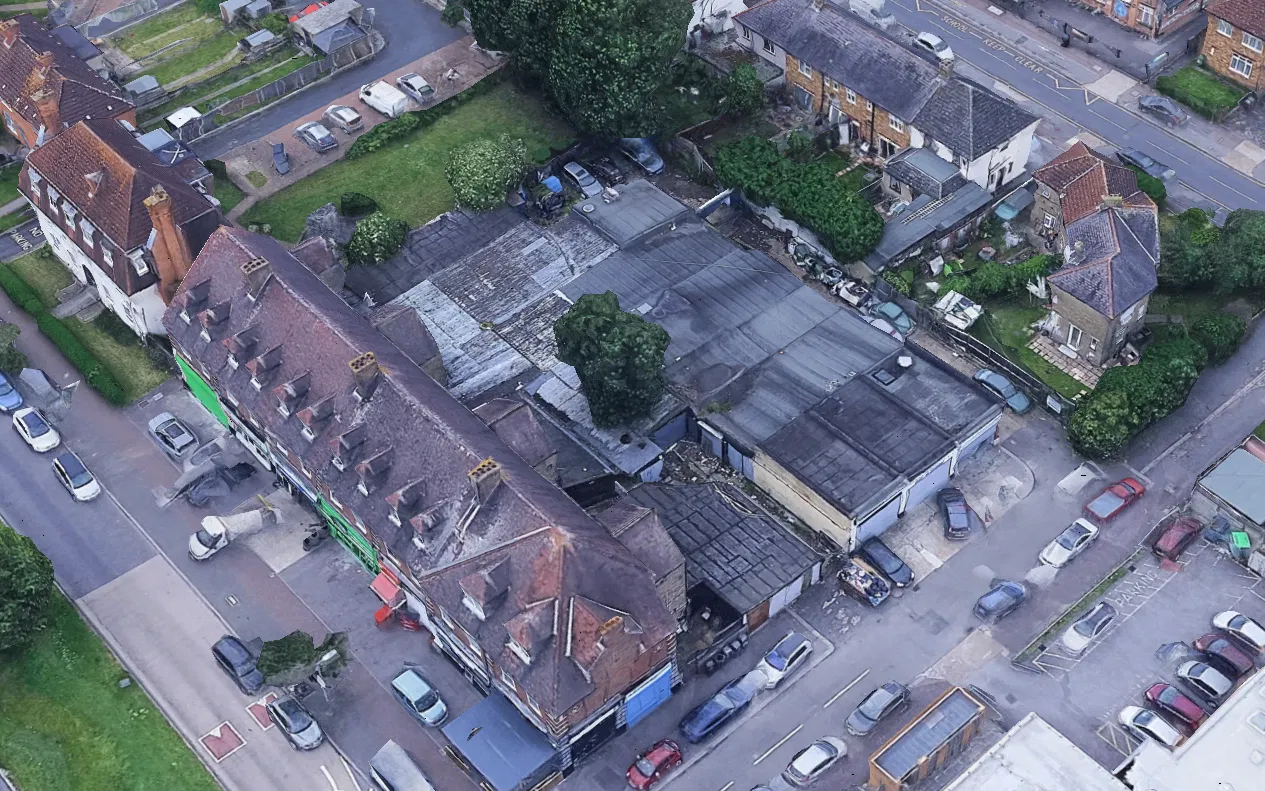
As architects working across London, we are often asked how we can unlock the potential of small, underutilised plots. One of the most promising, and still underexploited, opportunities lies in former garage sites. These plots, often council-owned and scattered behind housing estates, can be transformed into well-designed, sustainable housing with clear community benefits.
Why Former Garage Sites?
Widespread and underused: A 2017 study found over 53,000 council-owned garages in London. More than 40% were either vacant or derelict, representing potential land for over 16,000 homes.
Well located: Typically found behind estates, beside alleyways, or next to parks, these sites are often close to transport, schools, and services.
Policy-aligned: The current London Plan supports small site intensification through Policy H2. The new Draft London Plan strengthens this further—explicitly supporting the use of former garage courts, especially where redevelopment improves design, safety, and environmental performance.
Community benefit: Redundant garages are often magnets for anti-social behaviour, fly-tipping, and poor lighting. Redevelopment brings passive surveillance, improved security, and better landscaping.
Which London Boroughs Are Taking the Lead?
Several boroughs are actively identifying and releasing garage land for infill housing:
Barking & Dagenham: Their Innovative Sites Programme offers small plots—including garage sites—to architects and SME developers to deliver zero-carbon housing.
Hackney: Has delivered 100% affordable housing on garage land.
Wandsworth: Delivered several mews-style schemes on former garage courts with a focus on improved access and design quality.
Islington: Recently replaced garages off Parkhurst Road with a scheme delivering 18 homes—13 of them affordable.
Croydon: Its Suburban Design Guide specifically promotes the redevelopment of garage and back land plots with design-led infill.
DOWNLOAD THE BB PARTNERSHIP BROCHURE
What to Consider When Redeveloping a Garage Site
Garage sites can deliver successful, high-quality housing—but they are rarely straightforward. Key considerations include:
1. Access and Highways
Most garage sites are accessed from secondary roads or alleys. You’ll need to assess:
Whether vehicles (including emergency and refuse) can safely enter or turn
The condition and ownership of access roads
Whether parking displacement needs justification—especially where marked bays still exist
Engage a transport consultant early to justify loss of parking and assess visibility splays and turning circles.
2. Refuse and Servicing
Refuse collection often has to occur from the main road due to limited site access.
Operatives can only walk set distances to collect bins (and residents to the store).
Designated drag distances must be observed.
Delivery and servicing strategies also need consideration—particularly for narrow or shared access routes.
Access for emergency vehicles must be planned.
A transport consultant should address both operational strategy and policy compliance.
3. Neighbour Amenity and Daylight/Sunlight
Proximity to rear gardens or back windows often raises:
Overlooking concerns
Overshadowing and daylight/sunlight constraints
Local planning authorities assess amenity under BRE guidelines and local design codes. Rights of Light, while not a planning matter, should be reviewed to ensure the scheme is deliverable without legal challenge.
4. Trees and Landscape Constraints
Garage sites often back onto gardens with mature trees.
Tree roots may limit foundation design.
Tree Preservation Orders (TPOs) and canopy impact require early identification.
A tree survey and arboricultural impact assessment should form part of the initial feasibility study.
5. Existing and Incoming Services
Historic garage courts may sit over shared drains, sewers, or utility runs.
Some sites may lack incoming services entirely—adding cost and complexity.
Confirm:
The depth and position of existing utilities
The feasibility of new utility runs and drainage connections
6. Contamination and Materials
Many garage sites feature asbestos roof panels or contaminated ground conditions due to historic fuel or oil storage.
A Phase 1 (and potentially Phase 2) Site Contamination Investigation will be required.
7. Design and Policy Compliance
Good design is essential—not just for planning approval, but for long-term value and community acceptance.
Context-sensitive: Respect neighbouring scale, massing, and materials.
Efficient but liveable: Maximise space while ensuring adequate daylight, privacy, and storage.
Carbon-conscious: Boroughs increasingly require net-zero, fabric-first, or Passivhaus-aligned performance.
Design Codes: Boroughs like Croydon, Hackney, and Barking & Dagenham have adopted codes covering garage and back land redevelopment.
8. Planning Strategy
Pre-application advice is strongly recommended—especially on constrained or contentious plots.
Full planning applications remain the standard route, but some boroughs offer fast-track support for SME-led infill schemes.
Affordable Housing: Consider whether thresholds apply—some sites may trigger contributions or on-site provision.
9. Community Engagement
Neighbours often fear loss of light or privacy—especially where gardens back onto garage courts. However, consultation can also highlight shared concerns around anti-social use, security, or poor lighting—issues that redevelopment can actively address.
Early and genuine engagement helps reduce resistance and build support.
From Redundant Land to Smart Housing
With the right team and strategy, even the most overlooked garage court can become a well-integrated housing scheme. A typical redevelopment might deliver:
2–6 high-quality homes
Improved lighting, planting, and passive surveillance
Strong public benefit with minimal visual impact
Our Experience
At BB Partnership, we’ve helped unlock a number of garage and back land sites across London—delivering design-led schemes that align with planning policy, respect local character, and meet the needs of both clients and communities.
In Summary
Garage sites represent a genuine opportunity to deliver new housing within London’s existing infrastructure. With the new Draft London Planoffering stronger support than ever, now is the time to think creatively, and realistically, about how these modest sites can make a meaningful contribution.
If you’re considering the potential of a garage site, or need help with feasibility, design, or planning then please get in touch. We’d be happy to help.