

Following on from our earlier article What Are the Implications of Living in a Conservation Area?, this piece looks more closely at one of London’s most distinctive and tightly managed heritage areas: the St John’s Wood Conservation Area, within Westminster City Council. BB Partnership has worked extensively here, including houses on Clifton Hill, Blenheim Terrace, Hamilton Terrace and Carlton Hill, along with works to apartments within North Gate, an Edwardian mansion block positioned at the junction of Prince Albert Road and St John’s Wood High Street, giving us a clear understanding of how to navigate its specific planning challenges.
The area is known for its generous tree-lined streets and eclectic mix of Victorian, Edwardian and early 20th-century architecture. It also includes some of Westminster’s best-known landmarks, such as Lord’s Cricket Ground, Abbey Road Studios, and St John’s Wood Church.
As with all conservation areas, works that can be carried out under permitted development elsewhere are often restricted or removed altogether. In St John’s Wood this includes:
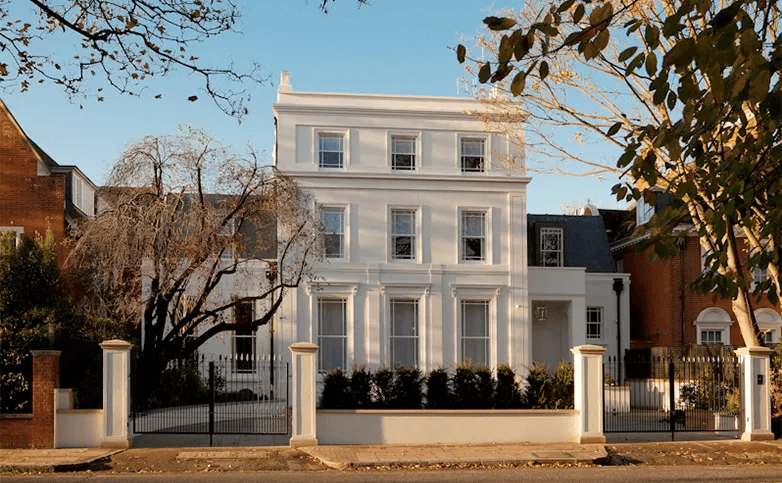
A significant portion of St John’s Wood sits within long-established estates, particularly the Eyre Estate and John Lyon’s Charity. Both require estate approval in addition to planning permission, and both publish specific guidance, including detailed policies on basement development, design quality, materials and long-term stewardship. Early engagement with estate surveyors is essential.
The St John’s Wood Society is an active and influential amenity group that routinely comments on planning applications. Their observations are taken seriously by Westminster, and well-considered proposals that respect the area’s character tend to be more favourably received.
The society also provide extensive guidance on their website as to how development in the area should be carried out.
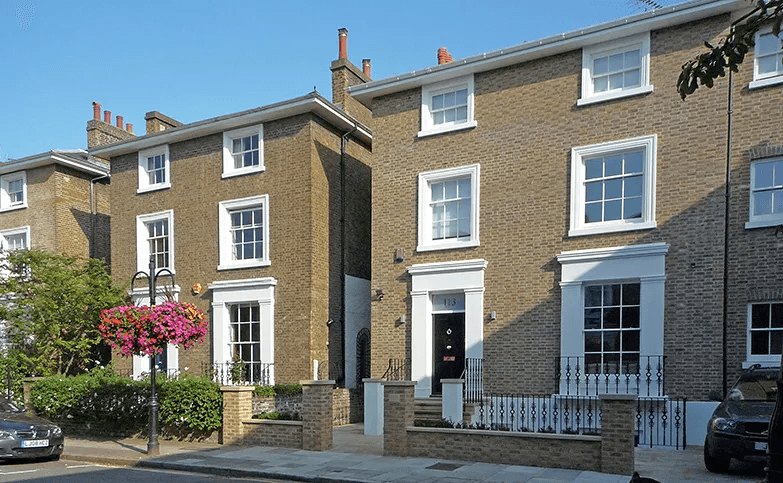
BB Partnership Case Study – Private House, St Johns Wood, London NW8
Westminster’s St John’s Wood Conservation Area Audit assesses the townscape contribution of every property. It is a valuable starting point, identifying positive and neutral buildings, key views, and sensitive sites, but it is not perfect. Some entries are inaccurate or outdated, so proposals should always be supported by up-to-date research, on-site assessment and a robust design explanation.
The area also contains a substantial number of statutorily listed buildings. Any works to these require listed building consent and must preserve or enhance their architectural or historic interest.
At BB Partnership, our work across the conservation area demonstrates that well-considered, context-driven design can successfully secure consent, even in highly sensitive locations.
If you’re planning work in St John’s Wood, whether a refurbishment, extension or basement, get in touch. Early, informed advice can save time, cost and help position your project for approval.

BA (Hons), Dip Arch, RIBA
Director

BA (Hons), Dip Arch, RIBA
Director

BA (Hons), Dip Arch, RIBA
Director