

Conservation areas are among the most desirable places to live and develop in London. The period architecture, mature trees, and distinct character of these neighbourhoods are what draw people to them in the first place.
But those same qualities are exactly what local authorities are tasked with protecting, and that means extra planning controls, detailed design scrutiny and a more complex route to achieving planning approval.
BB Partnership has worked extensively across London’s conservation areas, including RBKC and Westminster to Islington, Camden, Barnet, and Greenwich securing planning approvals for projects ranging from single homes to large-scale residential and co-living developments. This article explains what those controls mean in practice, how to approach them strategically, and the lessons learned from real projects.
Conservation areas are designated because of their special architectural or historic interest. Under Section 72 of the Planning (Listed Buildings and Conservation Areas) Act 1990, local authorities must pay “special attention” to preserving or enhancing their character and appearance when assessing planning applications.
In practice, that means more control over alterations and extensions, not only to individual buildings but to how they sit within the wider townscape.
Each local authority publishes a Conservation Area Appraisal or Audit setting out what makes that area significant. These documents often categorise buildings as listed, unlisted buildings of merit, neutral, or negative contributors, and outline the key architectural features, materials, and spatial patterns worth protecting. These appraisals are the first place to start when assessing any proposal in a conservation area.
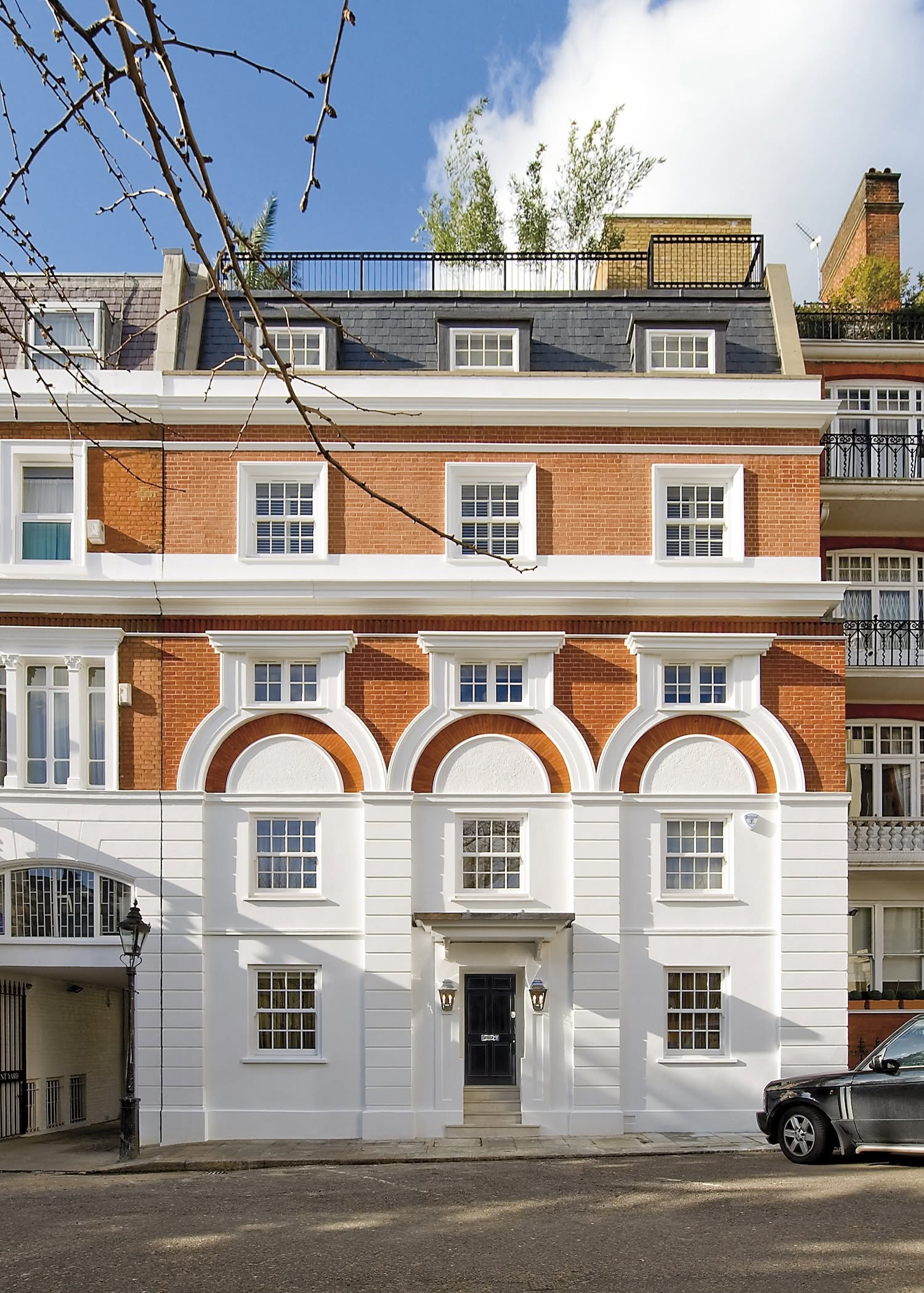
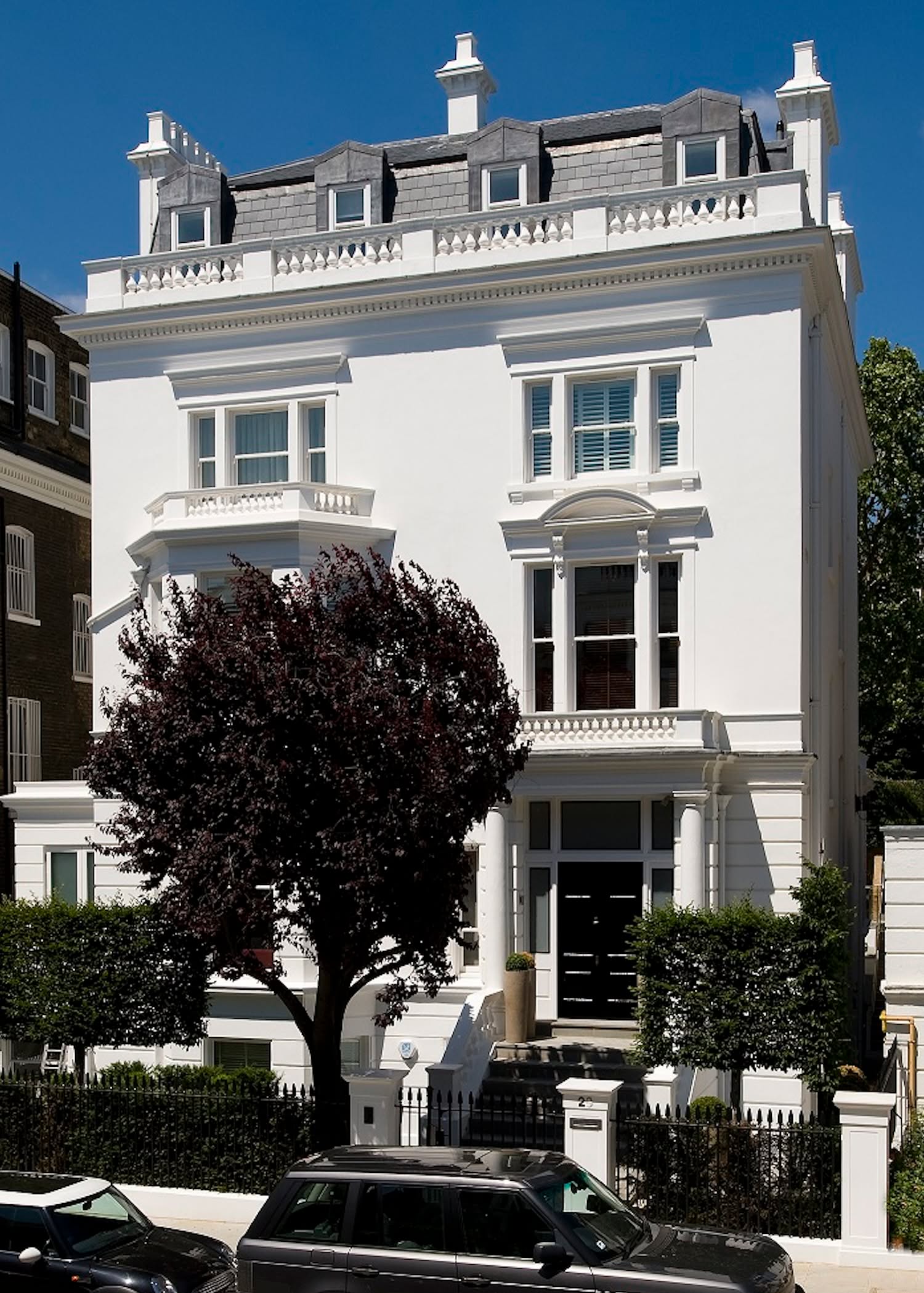
Planning consent in conservation areas is more tightly controlled than in most locations.
Permitted development rights are reduced or removed. While a single-storey rear extension is possible, side extensions, dormers or changes to windows will need full planning consent.
Design and materials are scrutinised. Councils will expect alterations to be sympathetic to the original building and the character of the area.
Trees are protected. Consent is required for any works to trees, including pruning, felling, or root disturbance.
Gaps between buildings matter. Many conservation area appraisals, such as that for the St John’s Wood Conservation Area, highlight the importance of preserving spacing, gardens and the rhythm between buildings. Even well-designed infill extensions can be refused if they erode that sense of openness.
Demolition controls apply. Removing outbuildings, boundary walls, or significant elements of the original structure usually requires permission.
An Article 4 Direction removes specific permitted development rights altogether. It means that even minor works, such as replacing windows, painting facades, or altering boundary walls, may need planning consent.
These Directions are intended to prevent the gradual erosion of character that can result from many small, uncoordinated changes. Some are area-wide whilst others are more targeted, applying only to front elevations or certain streets.
Before starting any work, check whether an Article 4 applies to your property. This can be found in the local authority’s online resources.
Yes. If your property sits next to or opposite a conservation area, your proposals will still be assessed for their impact on its setting.
That means scale, design, and materials will still come under scrutiny, particularly if the development could affect views into or out of the conservation area. Even if the property is technically outside the boundary, conservation policies still carry weight, even if the conservation area in question is in another borough.
In some areas, there are additional layers of control on top of conservation area policy. Estates such as Hampstead Garden Suburb, the Crown Estate or the Grosvenor Estate have their own design codes and approval processes. You may need consent from both the estate and the local authority before making any changes.

Because planning applications in conservation areas require a higher level of justification, additional consultants are often needed alongside your architect including –
Arboriculturalist: prepares tree surveys or method statements where tree roots, canopies, or protection zones could be affected.
Heritage consultant: assesses the site’s significance and explains how proposals will preserve or enhance the character of the area.
These reports can make a critical difference. Conservation officers are often under heavy workload pressures and do not always have the time to assess every scheme in depth. A well-reasoned and evidence-based submission can shift the balance from “no” to “yes.”
More complex schemes will require further consultants, such as those involving basements or the addition of comfort cooling or air source heat pumps.
Conservation officers are often highly skilled but under-resourced. With limited time to review applications, the default position can lean towards “no,” particularly where the potential impact is unclear.
That is why clarity is everything. Drawings, visuals and heritage statements that explain why a design preserves or enhances the area can be decisive. Officers need evidence, not assertions and responsibility to provide that rests with the applicant and their team.
Occasionally. Some unlisted buildings are treated almost as if they were listed, with officers applying an overly purist interpretation of harm.
Proposals that are clearly sympathetic and contextually justified can still be refused on the grounds of “any visible change.” In such cases, a reasoned rebuttal and, where necessary, an appeal can secure a fairer outcome. Persistence, precedent research, and policy literacy all count.
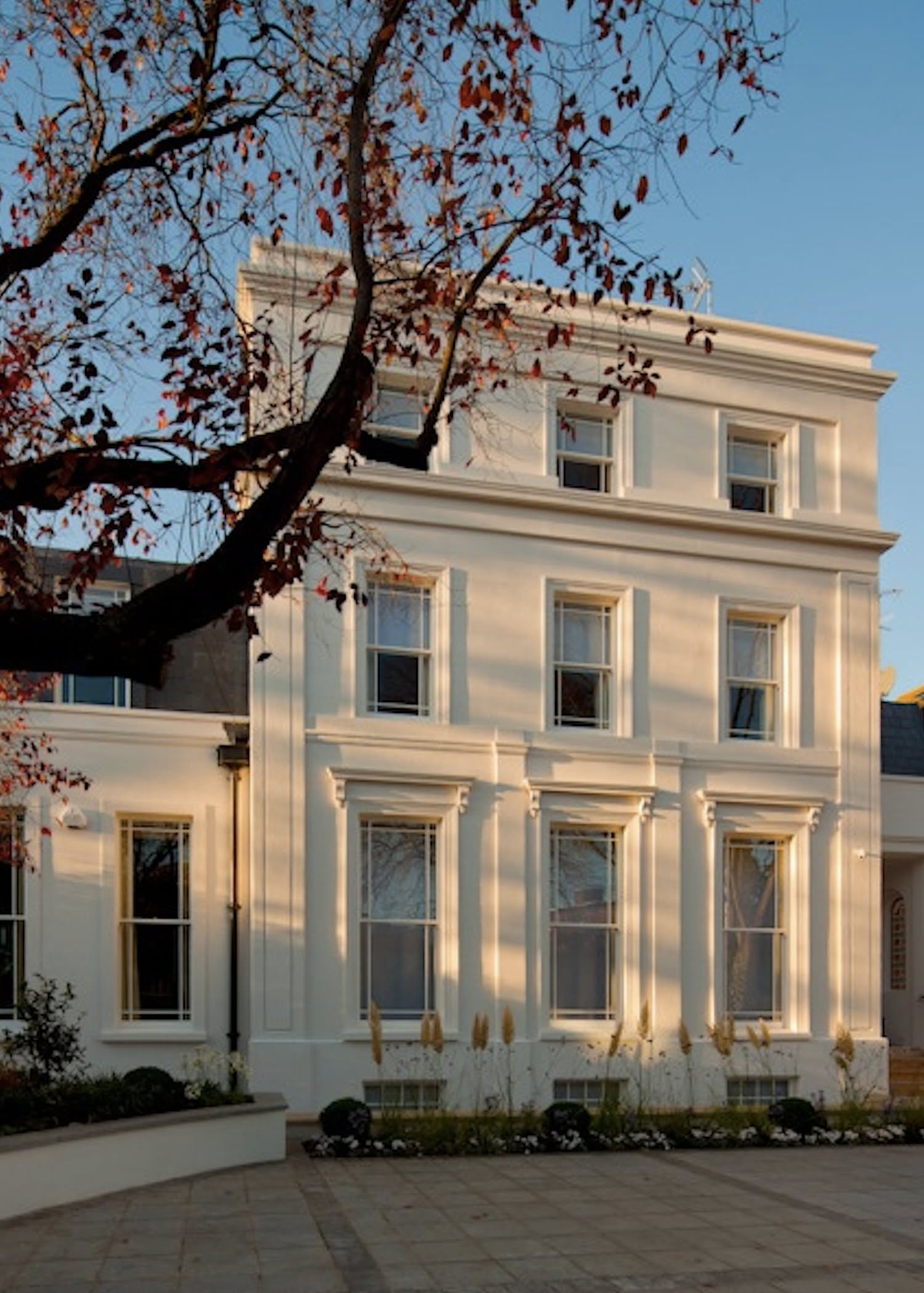
Yes, but they must be handled carefully.
Installing solar panels, adding insulation or fitting air-source heat pumps all require justification in terms of visual impact and noise. Many local authorities, including RBKC and Westminster, are now updating guidance to support well considered sustainability upgrades within conservation areas.
It should be remembered that houses in conservation areas are generally old with limited amounts of insulation and quite often have single glazed windows, so any potential project should address the need to improve the comfort levels the property will offer.
As London summers become hotter, comfort cooling is increasingly being considered in both new and existing homes. However, installing any external cooling equipment in a conservation area, such as condensers or air-source heat pumps, will normally require planning permission.
Because conservation areas are typically dense and acoustically sensitive, external plant is often required to be enclosed within substantial acoustic housings to mitigate noise impact on neighbours. This can have a visual impact, which is carefully scrutinised by local authorities.
At the same time, the restrictions on altering facades, such as adding external shading, brise soleil, or reflective glazing, can limit what can be done to reduce solar gain through passive measures. In many historic properties, that leaves mechanical cooling as the only practical option for preventing summer overheating, particularly in south or west facing rooms with large windows.
This highlights a growing design challenge: balancing heritage preservation with climate adaptation. Discreet, integrated solutions, such as locating plant within lightwells or concealed roof enclosures, can ensure comfort systems are effective without compromising the character of the building.

Appraisals are substantial undertakings for local authorities and sometimes contain errors. The St John’s Wood Conservation Area Audit, for example, identifies certain properties as Georgian that were, in fact, rebuilt in the 1950s following wartime bomb damage.
If a property has been misclassified, it is possible to challenge the designation through evidence. While reclassification is not common, inaccuracies can sometimes be acknowledged and factored into planning decisions.
Despite the additional regulation, the benefits are clear. Property values tend to be higher. Streetscapes are more consistent and better maintained. Neighbourhood character is protected from inappropriate development. For homeowners, that means investment is safeguarded. For developers, it offers a chance to create high quality, desirable homes in areas where design quality is expected and valued.
Working in a conservation area demands more than good design; it requires strategy.
A successful approach combines design sensitivity with a detailed understanding of planning policy and process. Collaboration with local authorities, heritage consultants and specialist advisors helps to demonstrate that proposals meet client needs while contributing positively to the character of the area.
Whether it is a modest extension or a complex multi unit development, the goal remains the same: to achieve planning consent efficiently, intelligently, and with respect for the historic context.
If you are considering extending, refurbishing or upgrading a property in a conservation area, early advice can save time, cost, and frustration. Please get in touch, we would love to hear about your project.

BA (Hons), Dip Arch, RIBA
Director

BA (Hons), Dip Arch, RIBA
Director

BA (Hons), Dip Arch, RIBA
Director