

Mechanical Ventilation with Heat Recovery (MVHR) systems are becoming essential components in contemporary building design—especially in urban areas where external noise and air pollution are significant concerns. MVHR provides continuous filtered fresh air to indoor spaces while recovering heat from outgoing stale air, making it a key contributor to both occupant wellbeing and energy efficiency.
At BB Partnership, we frequently incorporate MVHR systems in residential schemes to meet acoustic and environmental planning conditions, particularly where natural ventilation via openable windows is not viable.
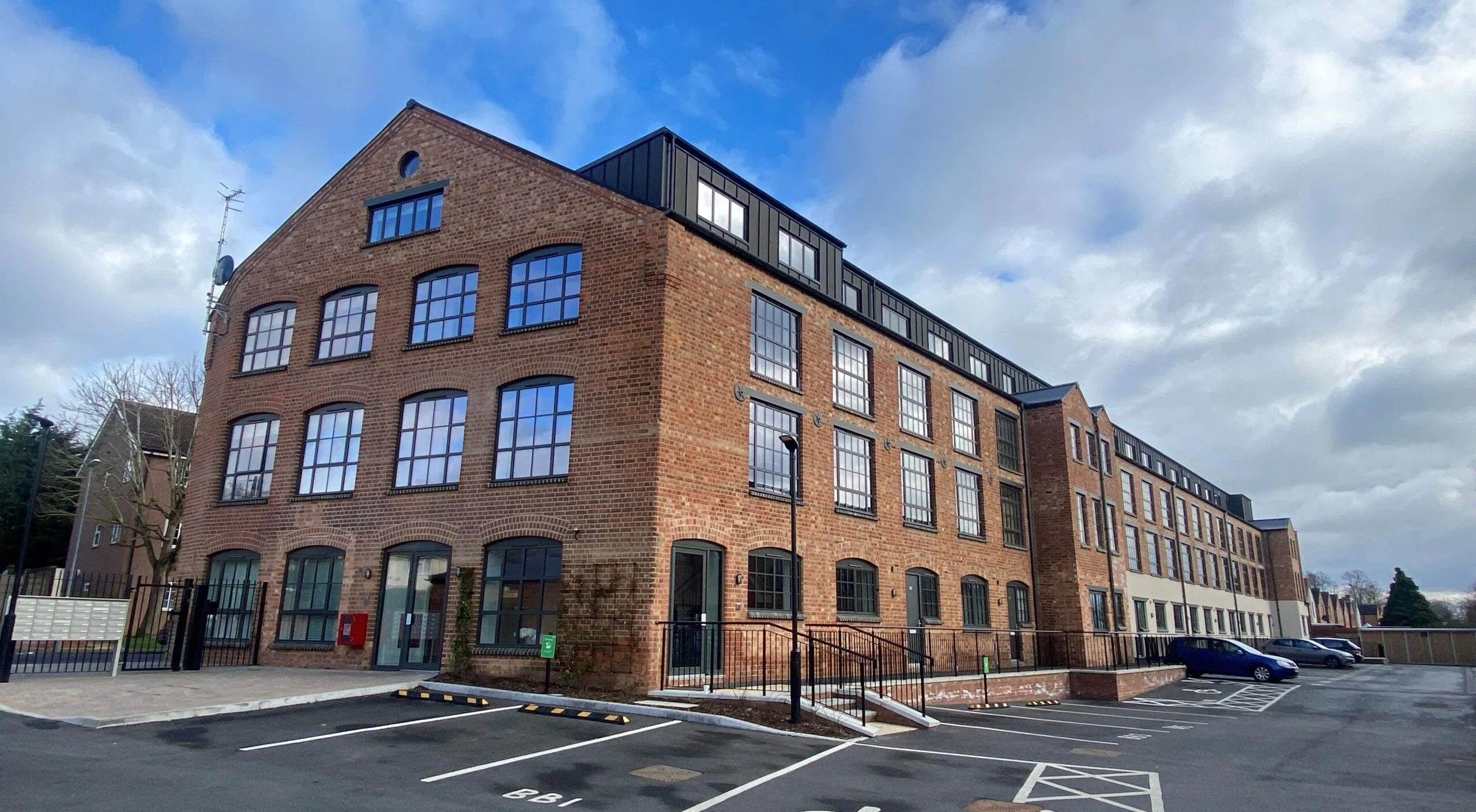
MVHR stands for Mechanical Ventilation with Heat Recovery. It works by continuously extracting stale air from rooms like kitchens and bathrooms and replacing it with filtered fresh air from outside. A heat exchanger within the system retains warmth from the extracted air, transferring it to the incoming air, keeping the interior climate comfortable without the energy cost of reheating.
This controlled, closed-loop system ensures homes remain well-ventilated, energy-efficient, and acoustically sealed.
Modern homes are increasingly airtight to improve energy performance, but this can trap pollutants and moisture indoors. MVHR systems mitigate these risks while improving overall air quality.
Noise is a growing concern in densely populated environments. MVHR provides a practical solution for ventilation without compromising acoustic performance.
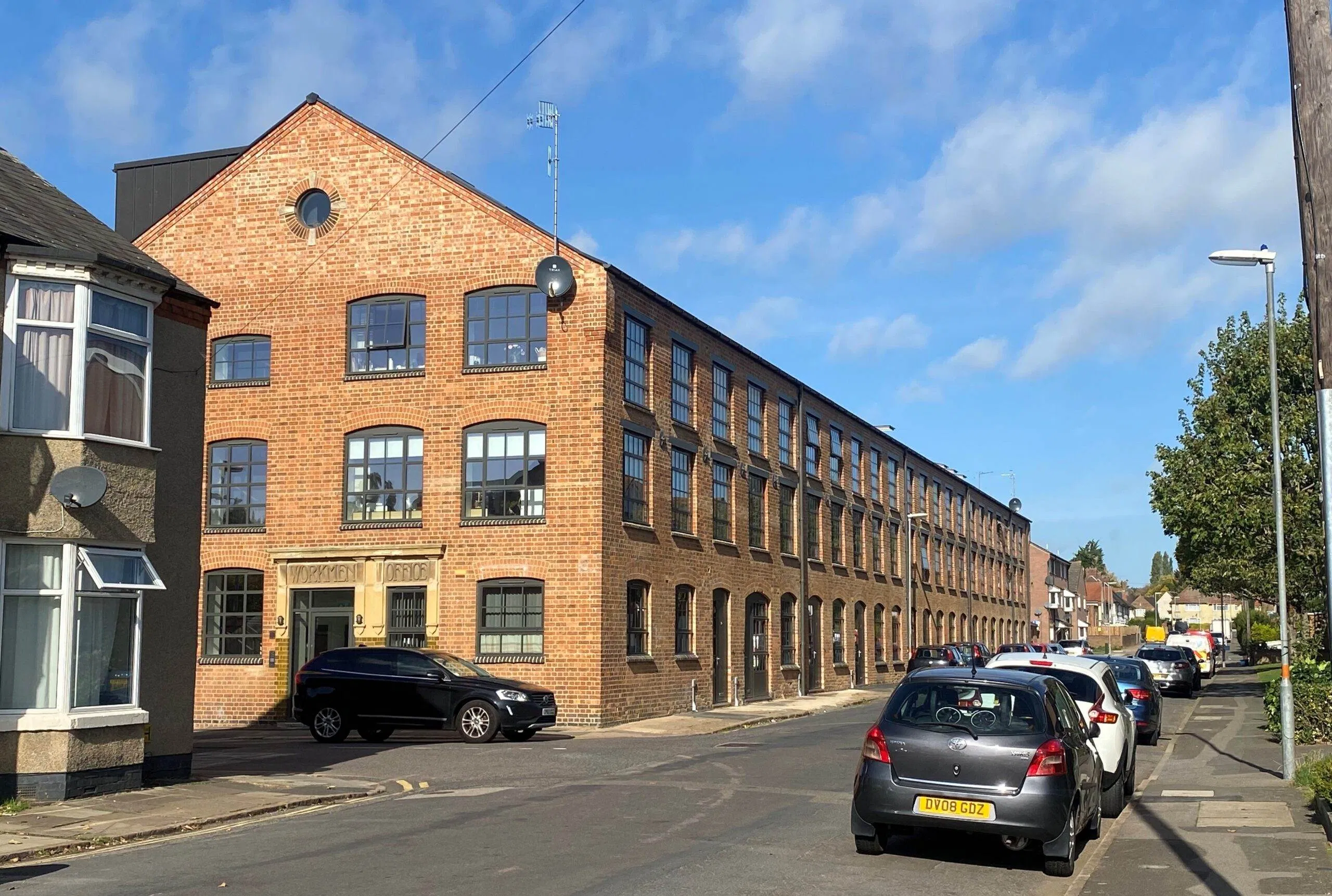
BB Partnership recently deployed MVHR at the Barker Building in Northampton to resolve challenging acoustic conditions. Noise assessments revealed elevated external noise levels from a nearby light industrial estate. Working closely with M&E consultants MWL, we developed a strategy to install MVHR systems in affected flats, eliminating the need to open windows while maintaining high indoor air quality and full regulatory compliance.
MVHR systems are increasingly vital in contemporary housing—especially where sustainability, health, and acoustic comfort intersect. They:
At BB Partnership, we understand how to integrate MVHR systems effectively, whether for regulatory compliance or occupant wellbeing. Our hands-on experience delivering successful solutions, such as at the Barker Building, demonstrates our commitment to sustainable, high-performance living environments.

BA [Hons], Dip Arc, RIBA
Director

BA [Hons], Dip Arc, RIBA
Director

BA [Hons], Dip Arc, RIBA
Director