
This article builds on our previous discussions, including License to Alter Application: How to Obtain Permission from Your Freeholder and How Can I Add Timber Flooring to a Leasehold Property. Here, we dive deeper into a common challenge for leasehold properties, particularly flats: making alterations to improve comfort and energy efficiency.
When undertaking works on a leasehold flat, heating, hot water, and comfort cooling systems often present significant hurdles. In older purpose-built flats, communal systems are typically used for heating and hot water. However, in recent years, many freeholders have decommissioned communal systems, requiring each flat to install its own gas boiler and hot water cylinder.
While having a self-contained system offers benefits like improved control over the internal environment and enhanced water pressure, it also introduces the need for additional infrastructure, such as water tanks, booster sets, and a gas boiler or an air source heat pump..
For leaseholders considering comfort cooling or replacing gas fired systems with air source heat pumps, external equipment is often required. This equipment usually needs to be installed outside the demise of the leasehold property, which necessitates freeholder consent and other statutory approvals.
Since external equipment will likely be installed on communal areas, such as roofs or external walls, leaseholders must secure the freeholder’s approval. This often involves agreeing to a license and possibly paying a fee for using communal space.
External units frequently require planning permission and, for listed properties, listed building consent. Applications typically need a background noise survey to ensure the proposed units comply with local noise regulations. Where noise mitigation is necessary, acoustic enclosures may be required.
Safe access to external equipment for ongoing maintenance must be planned and agreed upon with the freeholder.
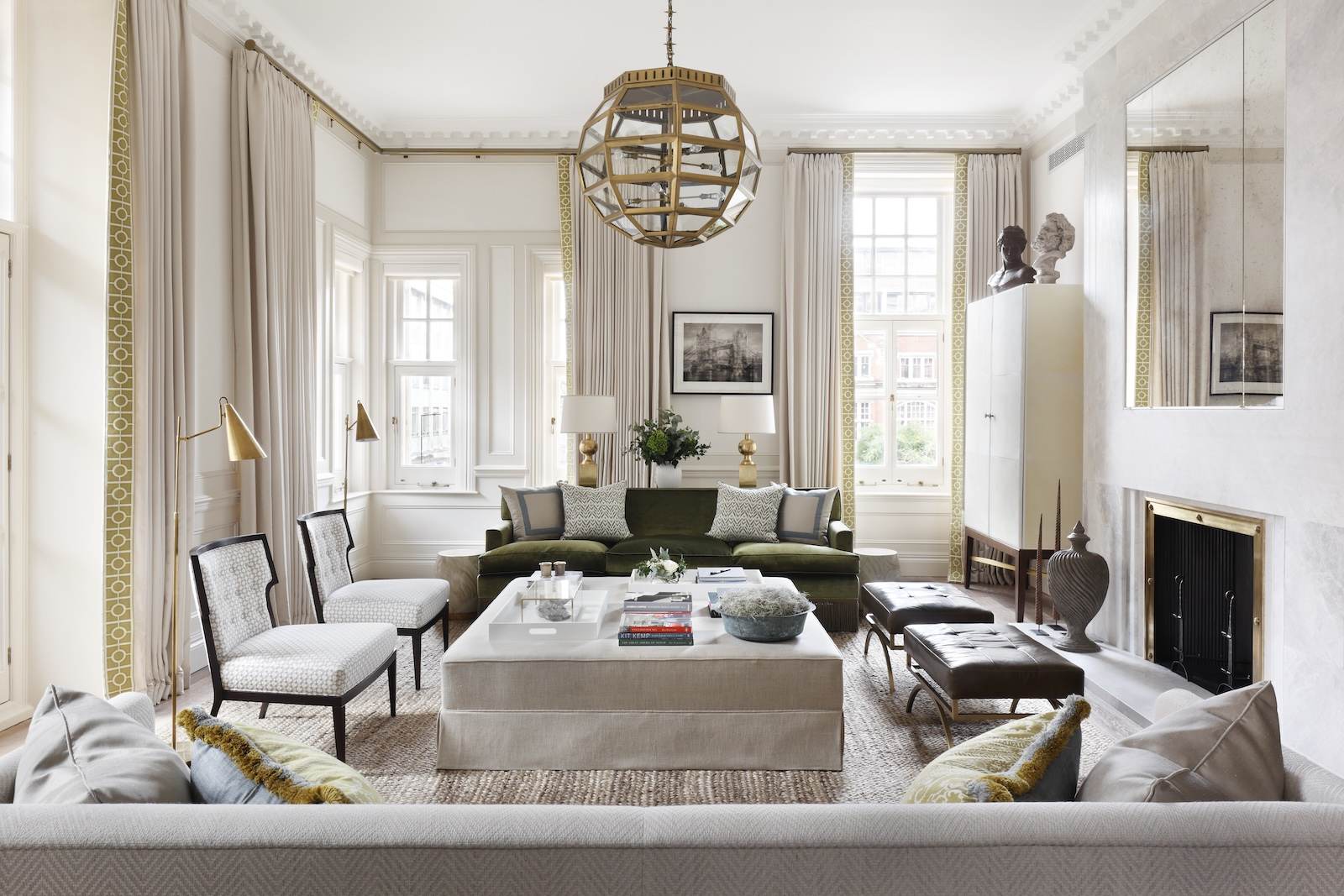
BB Partnership has extensive experience working on many of London’s major estates, including the refurbishment and extension of Grade I and Grade II listed properties on the Crown, Grosvenor, Cadogan, Wellcome Trust, Eyre, and Portman Estates. We are well-versed in navigating the complexities of leasehold properties and their unique requirements, ensuring our clients’ projects are both compliant and successful.
Installing air source heat pumps or comfort cooling systems requires external equipment that may lie outside the leasehold property’s demise. Obtaining consent involves:
Comfort cooling should be the last resort for managing overheating. Overheating in older properties often results from poor insulation or single glazing, which can also lead to heat loss in winter. Addressing these underlying issues through improved insulation, upgraded windows, enhanced ventilation, and solar control methods can reduce the need for comfort cooling.
However, in high-value markets, comfort cooling is often seen as a “must-have” for achieving premium sale prices, even if other solutions might actually be preferable in designing out the need for comfort cooling in the first instance.
Adding comfort cooling or an air source heat pump is often part of a broader refurbishment. Internal changes, such as locating fan coil units, may also require listed building consent. The aesthetic integration of these units—whether within joinery, suspended ceilings, or as standalone components—must be considered.
Some local authorities now restrict comfort cooling in residential properties due to environmental concerns. Alternative solutions should be explored in such cases.
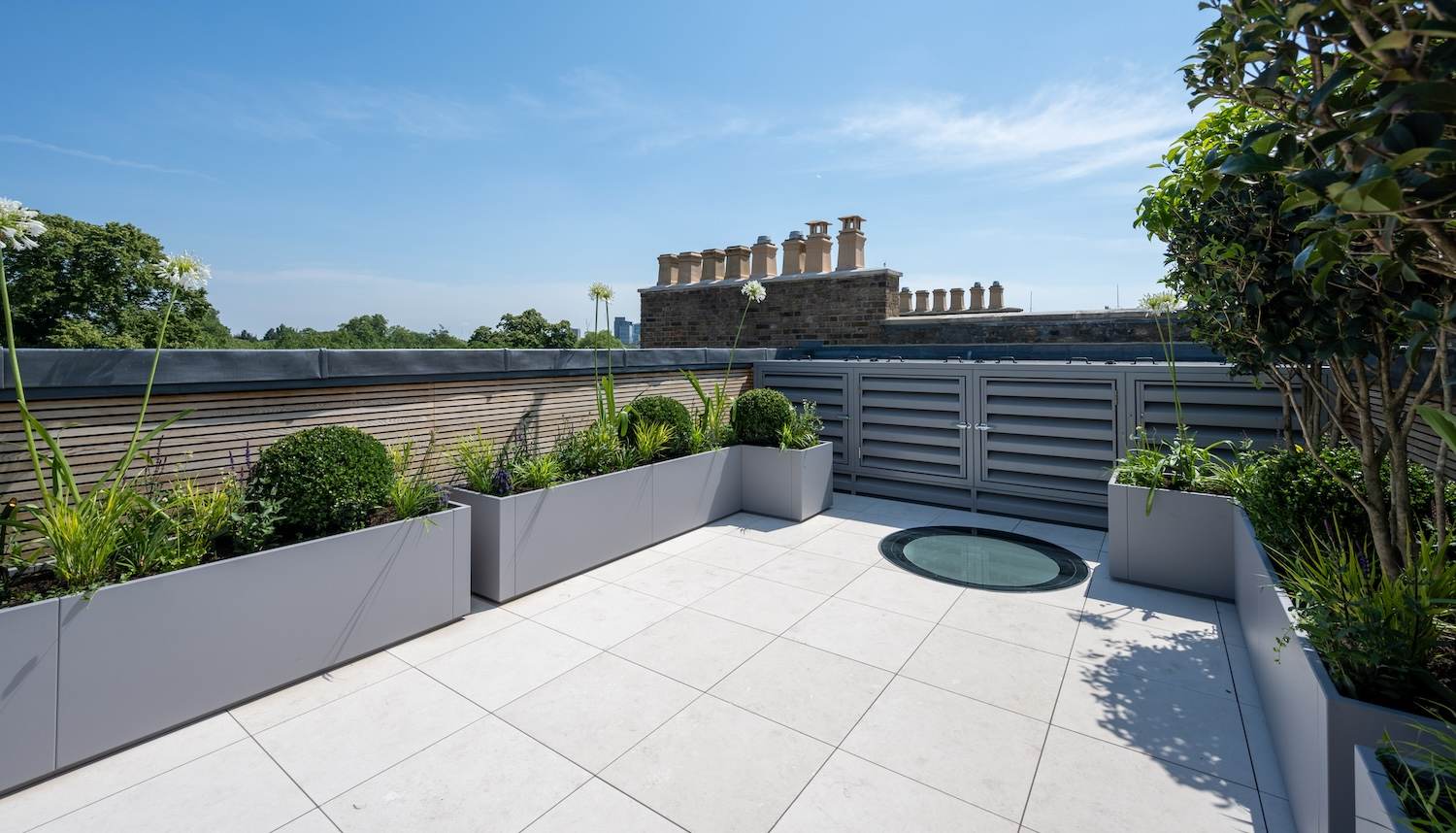
In a recent project at Albert Court, a Grade II listed mansion block overlooking the Royal Albert Hall, BB Partnership oversaw the conversion of a former office into a high-end residential apartment.
This involved planning and listed building consent for the installation of comfort cooling, with pipework and cables routed up an internal lightwell to the roof. As other properties in the block had completed similar installations, precedent was established, simplifying the consent process.
The project was completed in collaboration with interior designer Turner Pocock.
We hope this article provides clarity on adding comfort cooling or air source heat pumps to a leasehold property. BB Partnership’s experience across complex schemes ensures we can address challenges early to deliver successful outcomes.
For more information, please don’t hesitate to contact us.