

Designing homes in urban or constrained settings often involves responding to practical external challenges, primary among them noise, air pollution, and summer overheating. While these factors are typically approached as isolated technical hurdles, treating them holistically and early in the design process leads to better outcomes for residents, developers, and the long-term performance of the building.
At BB Partnership, we’ve worked across a range of projects, from purpose-built shared living schemes in busy town centres to new homes under flight paths, to deliver design-led, energy-efficient buildings that also protect occupants from the challenges of their surroundings and offer high levels of comfort. Through this work, we’ve come to a key conclusion: air quality, noise, and thermal comfort must be addressed together, not as separate boxes to tick.
On many urban sites, poor air quality and high external noise levels often go hand-in-hand. Roads, railways, and industrial neighbours don’t just bring sound, they bring vehicle emissions, fine particulate matter (PM2.5), and other pollutants that can severely impact indoor air quality (IAQ).
Traditional ventilation strategies, such as openable windows or trickle vents, struggle in these environments. Not only do they let in noise and pollution, but they also often fail to provide consistent, controllable airflow. Worse still, acoustic upgrades made in isolation can undermine ventilation, while poor IAQ solutions can compromise thermal or acoustic performance.
The better solution is to integrate design strategies that serve multiple functions at once: limiting exposure to external noise and pollutants, managing overheating, and supporting comfortable, healthy indoor environments.
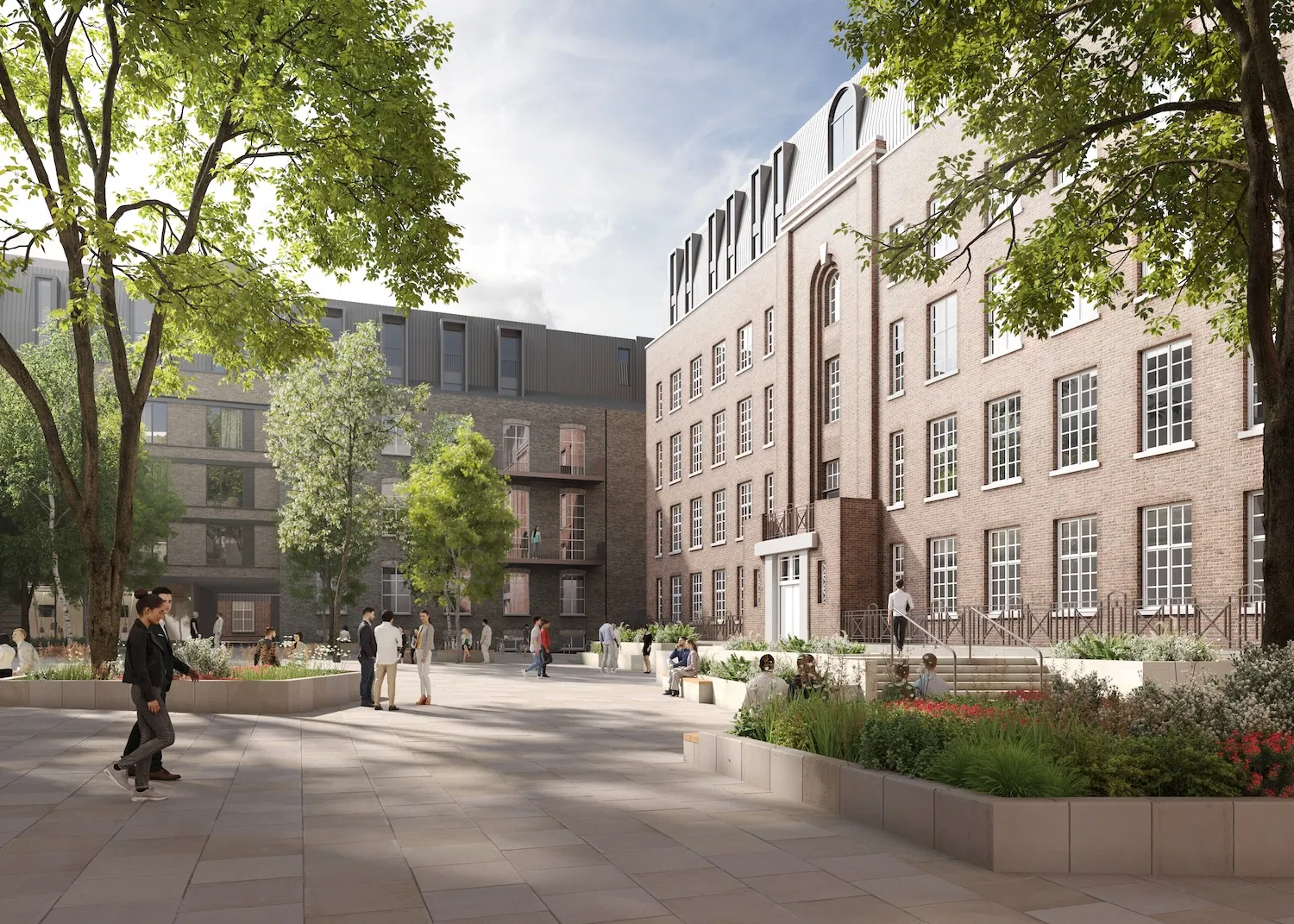
Our co-living scheme in Woolwich had to contend with poor air quality and elevated background noise from surrounding streets. By carefully controlling window design, integrating MVHR from the outset, and using quiet-side orientation for private spaces, we created high-density homes that support wellbeing and social interaction in the heart of the city.
Windows play a central role in the balance between external challenges and internal comfort. Yet they’re also the weakest part of the building envelope, both acoustically and thermally as well as contributing to the potential for summer overheating. This is where careful design can pay dividends.
We encourage clients and design teams to consider:
By refining the approach to windows, designers can strike a balance between external conditions and internal expectations.
One of the most effective strategies in these settings is the use of Mechanical Ventilation with Heat Recovery (MVHR) systems. These systems continuously draw in filtered fresh air, while extracting stale air and recovering heat—ensuring indoor comfort without the need to open windows.
MVHR systems offer several interlinked benefits:
When combined with triple glazing and airtight construction, MVHR becomes a cornerstone of modern building performance, enabling properties to meet regulatory standards and support occupant wellbeing.
Perhaps the most important point is this: retrofitting solutions late in the design process rarely works well. Attempting to bolt on higher-performing windows, trickle vent upgrades, or air filtration at the end of a project can result in compromised layouts, increased costs, and missed opportunities.
Instead, we advise a joined-up design approach from the outset, where glazing, ventilation, airtightness, overheating mitigation, and acoustic protection are designed together—not sequentially. This approach has real benefits:
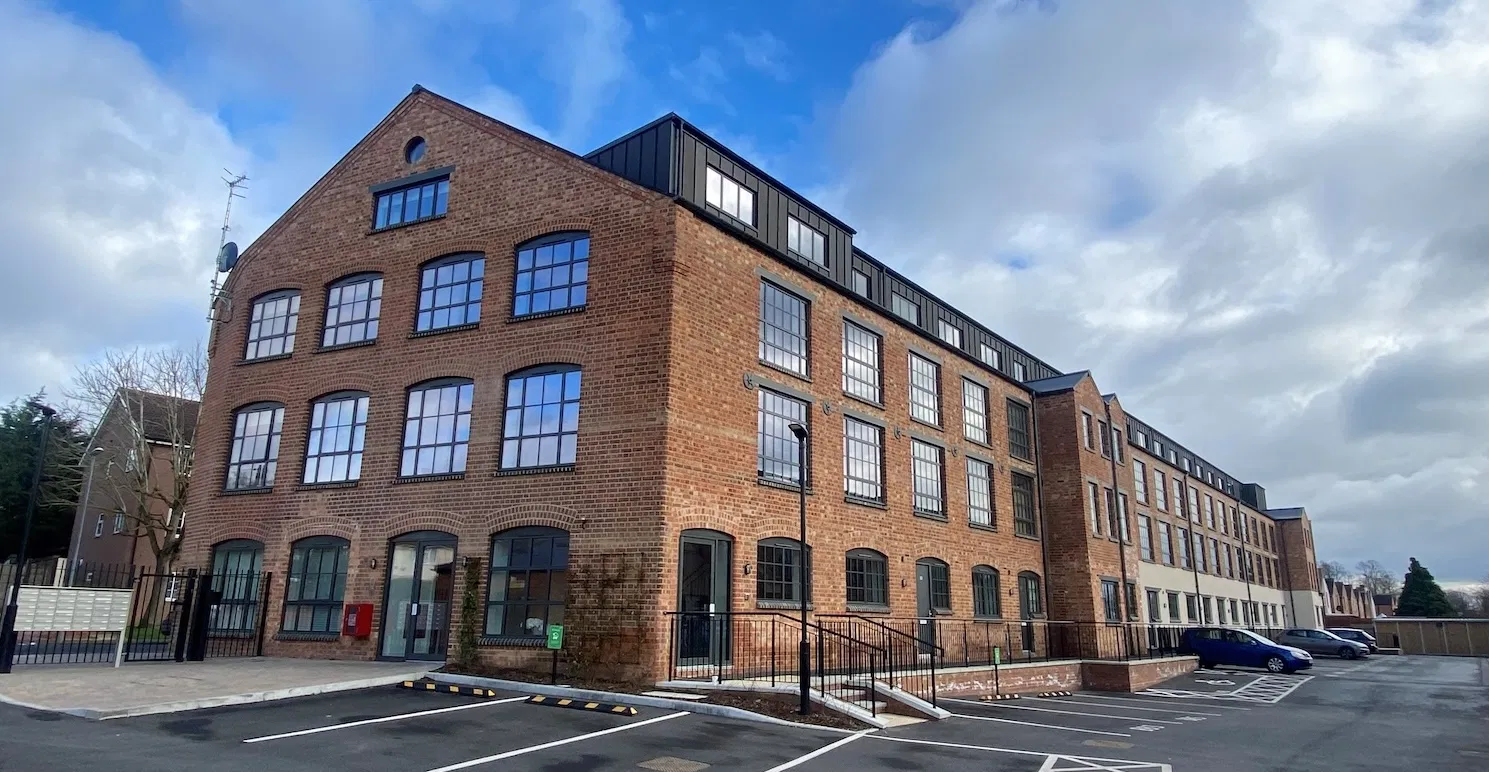
We have also worked on a series of residential projects on brownfield sites, that are typically located near to existing commercial uses that generate noise, these include our schemes on the Becontree Estate and in Northampton.
While technical systems like MVHR and glazing are essential, spatial design also plays a critical role. This includes:
These passive design moves are especially valuable on tight sites or infill developments, where there may be little room for manoeuvre. They show how good architectural thinking, supported by the right technical systems, can deliver great homes even in challenging settings.
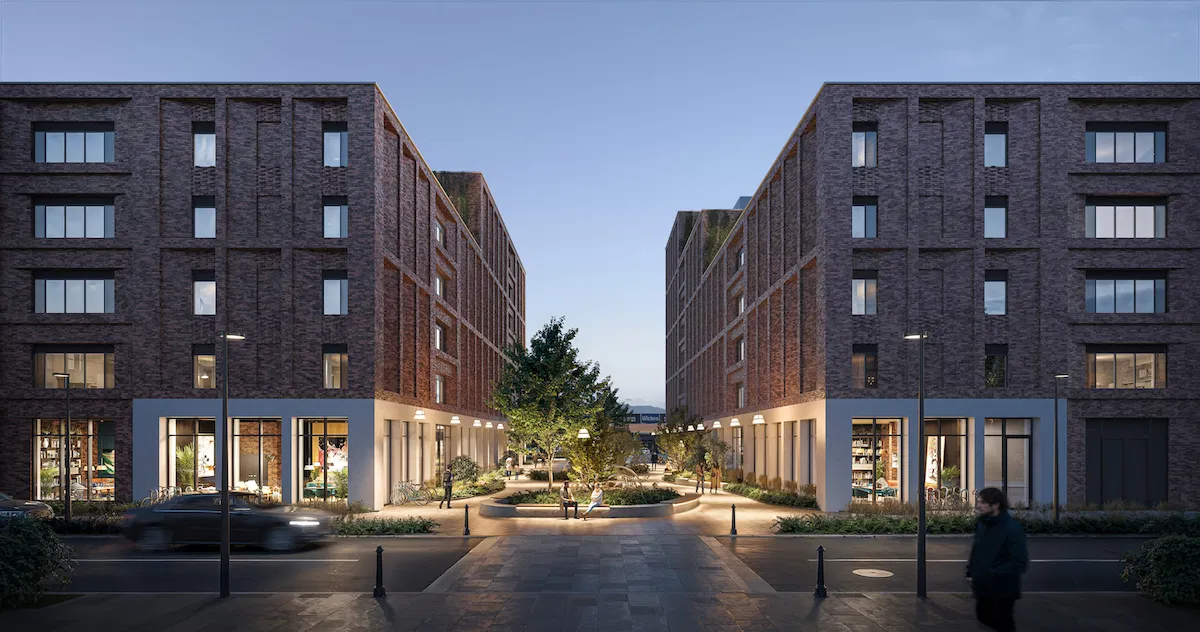
Our PBSA scheme in Cricklewood combines optimum sized windows with MVHR to respond the challenges of building next to Cricklewood Broadway.
We’ve successfully delivered schemes across a variety of challenging contexts by applying these principles:
In these projects, the success lay not in product selection, but in early, integrated design thinking that considered comfort, cost, compliance, and climate in a single coordinated approach.
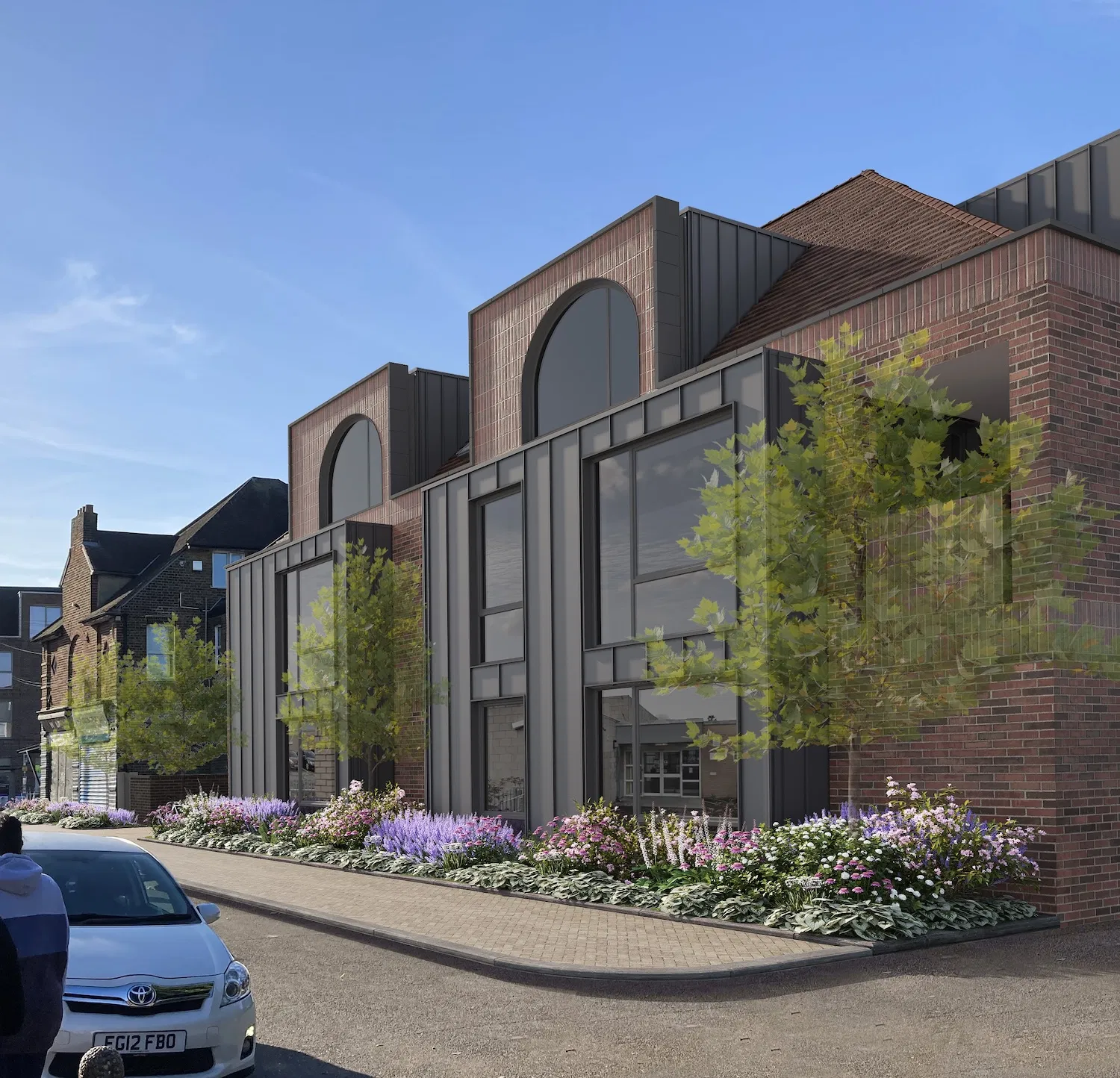
Noise, air quality, overheating, and internal comfort are not separate issues, they’re part of the same design conversation. When considered together, they don’t just solve problems, they unlock benefits:
At BB Partnership, we believe that early engagement and coordinated design are the key to achieving these outcomes. Whether you’re a homeowner, a developer, or a design professional, tackling these issues in a joined-up way, right from the start, offers the best chance of delivering homes that work, inside and out.
If you’re facing a challenging site and want to explore these ideas further, we’d be happy to share what we’ve learned. You can contact us here.

BA [Hons], Dip Arc, RIBA
Director

BA [Hons], Dip Arc, RIBA
Director

BA [Hons], Dip Arc, RIBA
Director